Internal Comms for a Combination Department

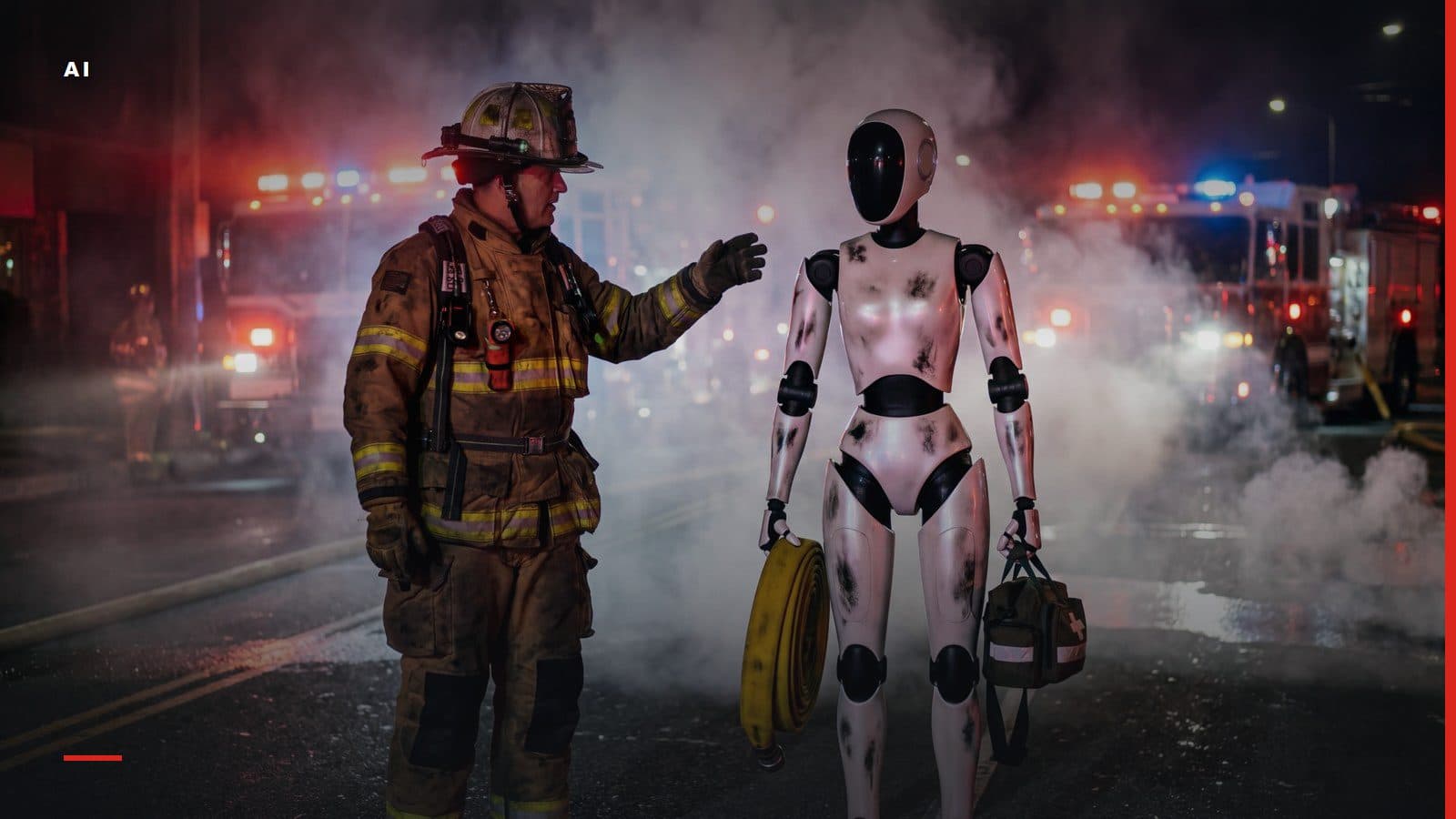
A combination department puts career and volunteer members under one name, one chief, one set of apparatus and one mission. It does not automatically put them under one working information system, and that gap is where a lot of combination departments quietly split into two departments that happen to share a building.
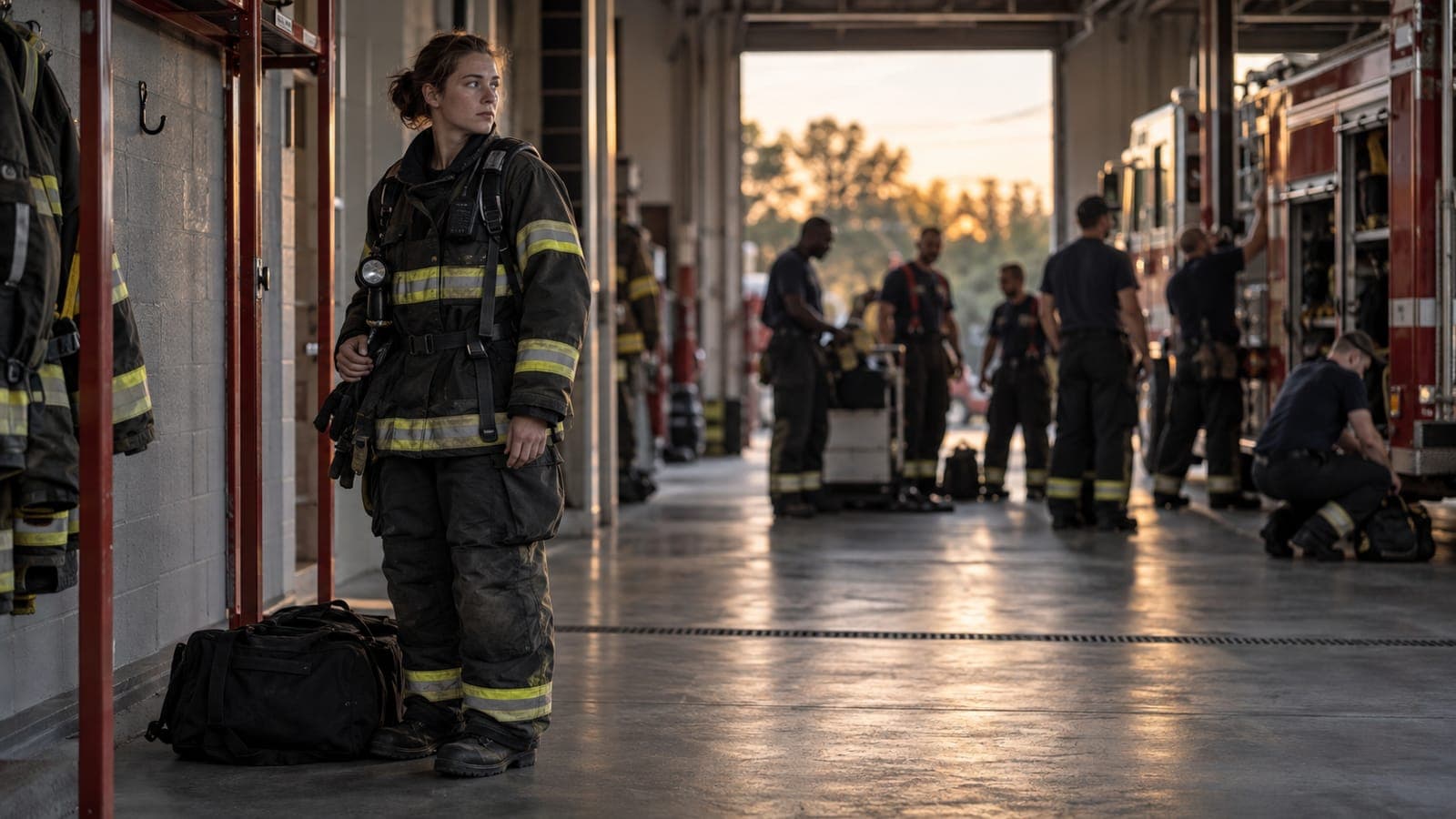
I have seen this happen without anyone intending it. Career staff get information through the normal channels of a workplace: shift briefings, staff meetings, an internal system they check because it is part of the job they are paid for. Volunteer members get information through whatever reaches them around the rest of their lives, and if nobody designs specifically for that difference, they simply get less of it, later, and with more gaps.
Neither group did anything wrong. The organization built its communication habits around whoever was easiest to reach, and easiest to reach is almost always the paid staff who are present on a predictable schedule.
The Trap Is Built Into the Schedule, Not the People
Career members are present on a defined schedule. That makes them easy to brief, easy to catch at a shift change, easy to reach through channels that assume regular presence, like a station whiteboard, a daily roll call or a staff meeting.
Volunteer members participate around jobs, families and everything else in their lives. Some show up several times a week. Others show up around calls and scheduled trainings. Nobody's schedule looks like anyone else's, which means any communication system built around "people will see this because they are here" quietly excludes a meaningful share of the department by design, not by accident.
That is the trap. It is not that anyone decided volunteers matter less. It is that the default tools, the ones that work fine for a fully career department or a fully volunteer one, do not work for a department that is genuinely both, unless someone deliberately accounts for the difference.
Two Departments in One Is the Failure Mode, Not a Feature
Some combination departments respond to this gap by, in effect, running two communication tracks: one for career staff, one for volunteers, each with its own rhythm and its own content. That feels practical in the moment, and it is exactly how a combination department ends up with two cultures that do not trust each other, do not fully understand what the other group actually does day to day, and each assume the other one gets preferential treatment.
I have heard both sides of that resentment in the same department, sometimes in the same week. Volunteers who believe career staff get the real information first and volunteers get whatever trickles down. Career staff who believe volunteers get treated as guests rather than full members and are excluded from decisions that affect the whole house. Both perceptions can be at least partly true at once, and both are corrosive to a department that needs both groups functioning as one team on the fireground, on a call, or in a patrol car.
Safety-critical and operational information, in particular, cannot run on two tracks. A protocol change, an SOG revision, an equipment recall or a policy update has to reach every qualified person regardless of pay status, on the same timeline, with the same expectation of comprehension. Splitting that by employment category is not a communication strategy. It is a liability exposure with a schedule attached.
Design for the Difference, Not Around It
The fix is not to pretend career and volunteer members have identical availability. They do not, and pretending otherwise just recreates the same gap under a different name. The fix is to design the communication system around that real difference on purpose.
Separate delivery from urgency, and account for presence. Anything safety-critical needs a delivery method that does not depend on physical presence at a specific time, because a meaningful share of your volunteer membership will not be there when it is announced at a shift briefing. That usually means a confirmed channel, mobile-accessible, with a way to track who has actually seen and acknowledged it, rather than relying on the assumption that word gets around.
Give volunteers a real path to the same information career staff get by default. If career staff learn about a change at a Tuesday staff meeting, volunteers need an equally real, equally timely way to get the same information, not a watered-down version that arrives a week later because someone eventually remembered to mention it. This sometimes means rethinking meeting schedules, but more often it means building a reliable written channel that does not depend on anyone being in the room.
Do not let recognition and culture split along the same line either. Communication is not only operational. It is also the announcements, the recognitions, the department news that make people feel like part of the same organization. If volunteers only hear about department milestones, promotions or losses secondhand, well after career staff already knew, that absence sends its own message about who really counts as a full member.
Use the first-line supervisor as the bridge. Company officers who work with both career and volunteer members in the same house are often the most trusted communication relay precisely because they see both groups operate. Equip them to carry information and concerns both ways, for both groups, rather than assuming that role only serves whichever group happens to be on duty when the officer is.
Ask volunteers directly what is actually working. Career staff communication habits get built into daily operations, which means they get tested and adjusted constantly by default. Volunteer communication often does not get that same scrutiny, because leadership assumes it is working until someone finally says otherwise, usually on their way out the door. Ask the question before that happens.
One Department Requires One Information System
None of this means career and volunteer members need identical schedules or identical roles. They do not, and the differences between the two are real and worth respecting rather than erasing.
What they need is equal, reliable access to the same information at the same standard, delivered in a way that accounts for genuinely different availability instead of assuming everyone is equally easy to reach. A combination department that gets this right feels, to its members, like one organization. A combination department that does not gets a slow, quiet split into two, built entirely out of who happened to be standing in the room when the important things got said.
Tools for this topic
Free interactive tools to put this into practice.
 AssessmentInternal Communications Health Check
 BuilderDashboard Content Planner
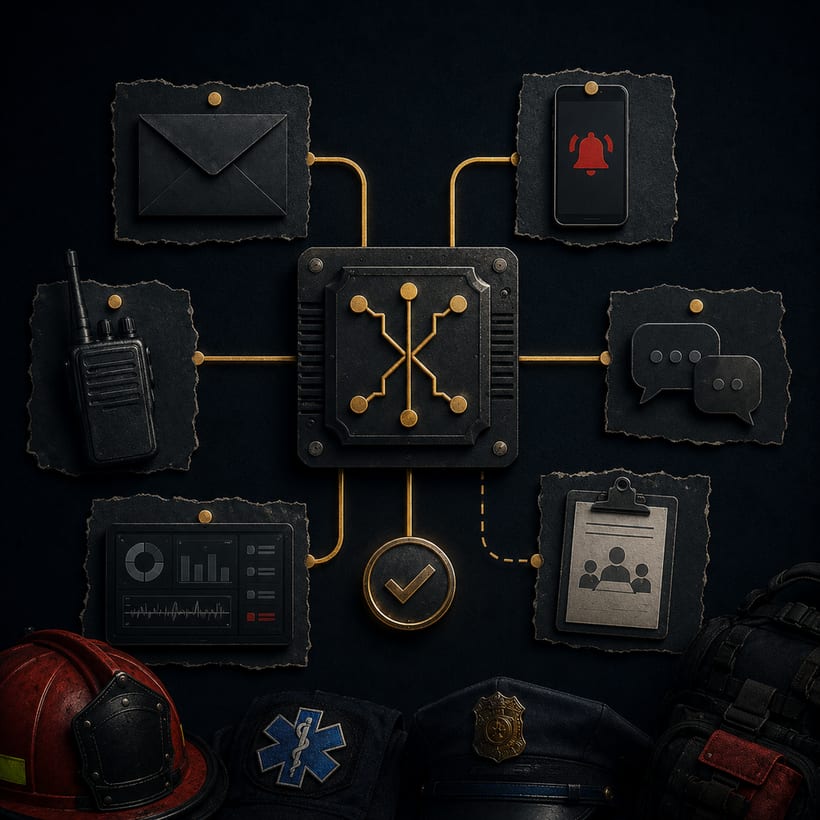 BuilderCommunication Channel Mapper
 Part of the seriesInternal CommunicationsExplore the series
 Recent posts
All posts →