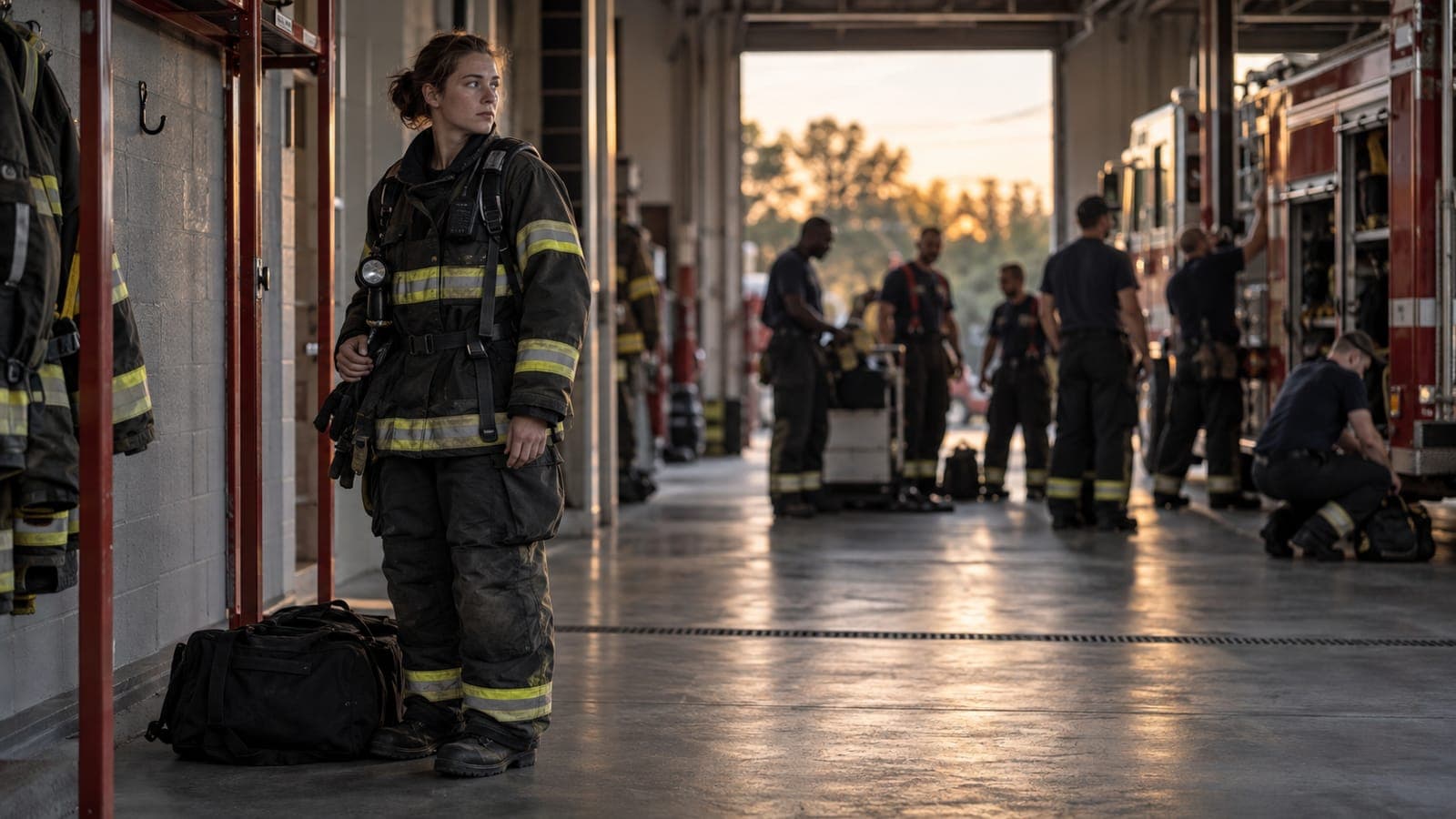
Leadership in a Volunteer Firehouse Is Different
Leadership in a volunteer firehouse comes with titles, responsibilities and authority. It does not come with the same leverage available in a traditional workplace.
Members are giving their time around jobs, families, school and everything else in their lives. They can choose how deeply they participate, whether they accept another responsibility and, ultimately, whether they stay.
That does not mean standards should be lower. It means leadership must be earned in a different way.
I have spent nearly four decades in my own volunteer department as a member, operational officer, president and board chair. The leaders who had the greatest influence were not always the loudest or highest ranking. They were the people others trusted when the call was difficult, the decision was unpopular or the department was hurting.
Rank Gets Attention, Not Automatic Trust
A title may give someone the authority to make a decision. It does not guarantee that members believe the decision is informed, fair or consistent.
Trust is built over time through preparation, competence and follow-through. Members notice whether leaders arrive for the unglamorous work, apply standards consistently and accept responsibility when something goes wrong.
Volunteer leaders lose credibility quickly when rank becomes a substitute for explanation. There are moments when an immediate order is necessary. Most department management happens outside those moments and depends on relationships.
Respect the Time People Are Giving
Volunteers accept serious obligations. Respecting their time does not mean avoiding training requirements, staffing expectations or accountability.
It means running useful meetings, starting on time, communicating changes, preparing before asking people to participate and eliminating administrative work that adds no value.
A member may tolerate a demanding drill because the purpose is clear. The same person may become frustrated by a two-hour meeting that should have been an email.
Leaders should ask whether the department's processes honor the commitment it asks members to make.
Accountability Still Matters
Volunteer organizations sometimes avoid difficult conversations because leaders fear losing members.
That approach often drives away the people the department most wants to keep. Reliable members see when expectations are optional for others. Small problems grow because no one addresses them.
Set clear standards, explain them and apply them fairly. Give people a reasonable opportunity to correct problems. Document serious issues and follow established policy.
Compassion and accountability are not opposites. A leader can understand what someone is facing while remaining honest about what the role requires.
Motivation Is Personal
People join and remain for different reasons. Some are drawn to operational service. Others value community, professional experience, family tradition, friendship or the chance to contribute a particular skill.
Leaders should know their people well enough to understand what matters to them. Recognition that motivates one member may embarrass another. A training opportunity may reengage someone who feels stalled. A committee assignment may give a non-operational member a meaningful path to contribute.
No dashboard replaces those conversations.
Communication Must Reach Different Lives
Volunteer members are not all present for the same shift or staff meeting. Some may visit the station several times a week, while others contribute around less predictable schedules.
Important information must be communicated through more than one moment or channel. Explain what changed, why it changed, who is affected and where the official information lives.
Do not rely on the firehouse rumor system to fill the gaps. When leadership is silent, members create their own explanations.
Listening matters as much as broadcasting. Give people a reasonable way to ask questions, raise concerns and understand decisions without turning every issue into a department-wide argument.
Leaders Set the Emotional Temperature
Firehouses experience stress, conflict, loss and disappointment alongside humor, pride and lifelong friendship.
Members watch how leaders behave when pressure rises. Does the leader make the situation clearer or more chaotic? Do they protect confidentiality? Do they attack people or address the problem? Can they admit uncertainty without abandoning responsibility?
Calm does not mean emotionless. It means creating enough stability for people to respond constructively.
Developing People Is Part of the Job
Strong leaders do not protect their position by keeping knowledge to themselves.
They teach, delegate, create acting opportunities and allow others to make manageable mistakes. They explain not only what decision was made, but how they reached it.
Volunteer departments are especially vulnerable when one chief, treasurer, training officer or administrator holds years of knowledge without a backup. Developing the next person is an operational responsibility, not a favor to the future.
Mentoring should extend beyond the members who look and think like current leaders. Departments need different skills, backgrounds and leadership styles.
Recognition Should Reflect Real Contribution
Public recognition often focuses on calls, years of service and visible roles. Those matter, but departments also depend on quiet work.
Someone maintains the records, mentors the struggling recruit, organizes the fundraiser, fixes the station, covers a difficult shift or checks on another member after a bad call.
Leaders should notice that work and connect it to the department's mission. Recognition is most meaningful when it is specific and sincere.
Conflict Cannot Be Managed Through Avoidance
Volunteer firehouses bring together people of different ages, backgrounds, politics, professions and personalities. Conflict is inevitable.
Address behavior and facts early. Clarify the decision process and applicable policy. Avoid turning disagreement into a question of loyalty.
Some disputes require formal action. Many require a private conversation before positions harden and the entire membership is recruited into sides.
Leaders should also examine their own role. Rank does not make someone automatically correct, and preserving authority is not the same as protecting the department.
The Department Must Be Bigger Than Any One Leader
Healthy volunteer organizations survive elections, promotions, retirements and personality changes.
Document responsibilities. Share access. Build officer and administrative development. Create transitions before they become emergencies. Let new leaders improve the process rather than requiring them to imitate the last person.
The strongest legacy is not how dependent the department became on a leader. It is how prepared the department was to continue without them.
Leadership Is a Relationship
Volunteer leadership requires standards, decisions and accountability. It also requires humility, consistency and genuine respect for the people choosing to serve beside you.
Members may be required to follow an order on an incident. The deeper question is whether they trust the leader enough to keep showing up, accept responsibility and help carry the department forward.
That trust is built long before the alarm sounds.
For a practical framework for preparing future leaders, read the Guide to Succession Planning for Volunteer Fire and EMS Leadership.
Related guides
Go deeper on this topic.
Tools for this topic
Free interactive tools to put this into practice.
 BuilderCommittee Charter Builder
 BuilderPublic Safety Annual Report Builder
 BuilderOfficer Development Plan Builder
 Part of the seriesLeadershipExplore the series
 Recent posts
All posts →