The Photo That Recruits

I have looked at a lot of fire and EMS department photography over the years, first as a reporter and later building recruitment and marketing tools for public safety. You can usually tell within a few seconds whether a photo was captured or staged, and candidates can tell too, even if they could not explain exactly why one image feels honest and another feels like an ad.
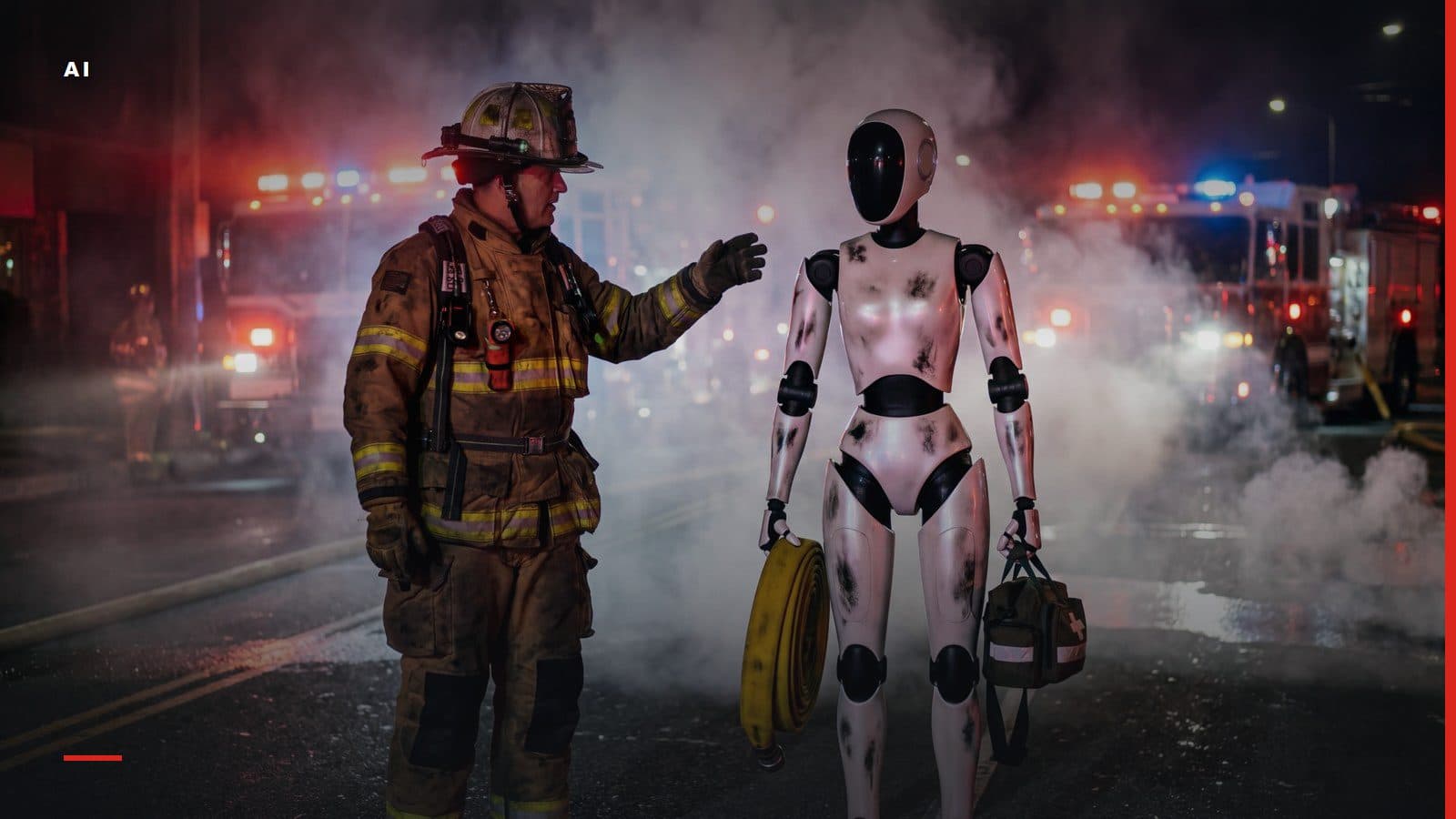
The staged photo has a type. Four or five members lined up in front of the apparatus, arms crossed, looking at the camera with the same expression. Or a single firefighter posed heroically against a sunset with turnout gear that looks like it just came out of the packaging. These images are not wrong to have. Every department needs a few clean, professional shots for a website header or a recruitment banner. The problem is when that is the entire photo library, because it tells a prospective candidate something the department probably did not intend: this is what we want you to see, not what actually happens here.
Candidates researching a department, especially younger candidates who grew up able to spot an ad from three feet away, notice the difference. A photo library made entirely of posed, stock-style images reads as generic no matter how professionally it was shot. It could be any department, anywhere. And if it could be any department, it does nothing to answer the question every serious candidate is actually asking: what would it be like to work here, specifically, with these people.
What Actually Works
The photos that move a candidate from curious to interested almost always share three things.
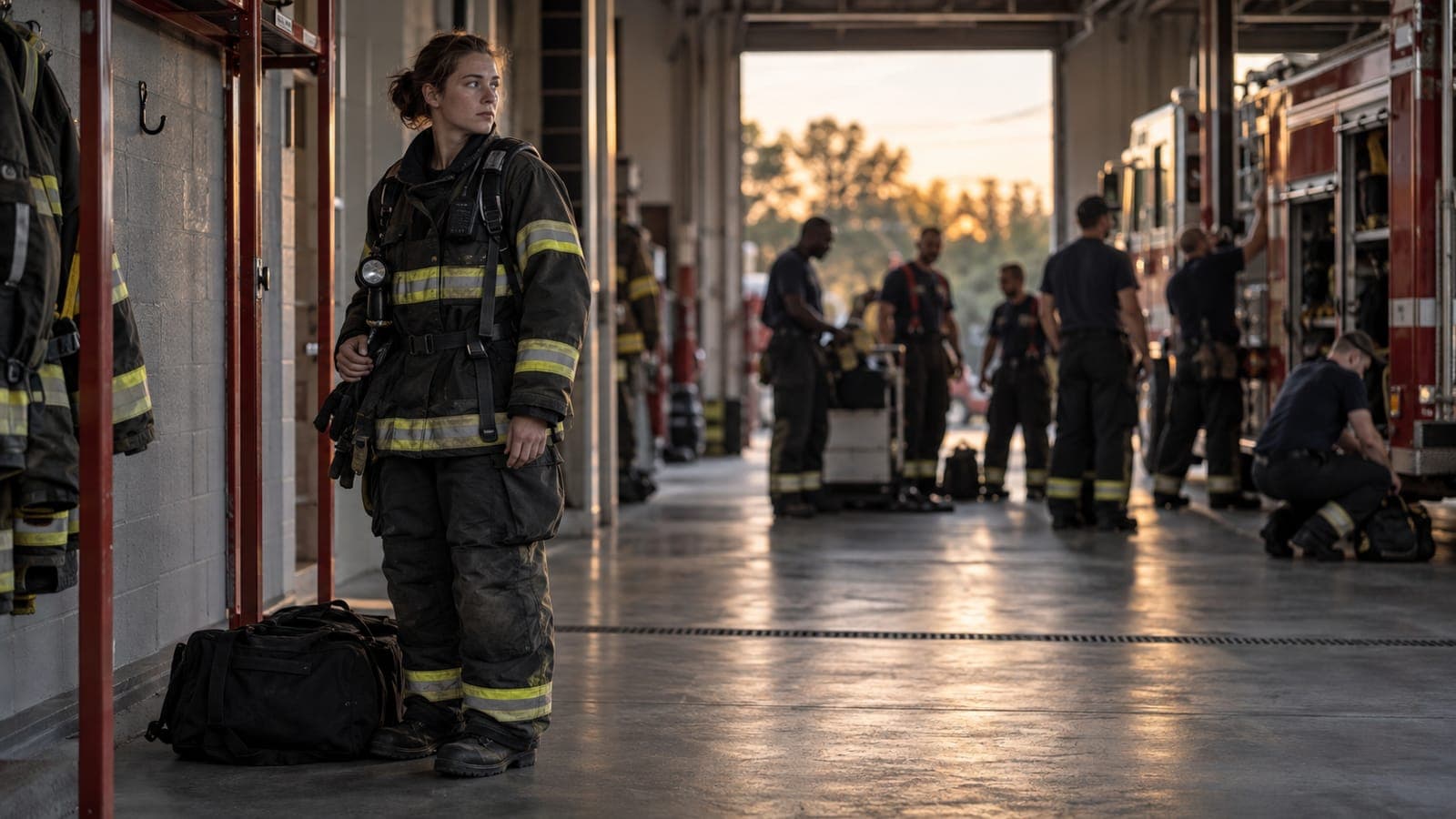
They are unposed. A crew mid-training exercise, sweating and focused, not smiling at the lens. A firefighter checking gear before a shift, caught in a genuine moment of routine. A dispatcher at a console during a quiet stretch, headset on, screens lit. None of these photos required anyone to say "look here" or "act natural," which is itself usually the tell that something is staged.
They show real people, not models for the mission. A specific person, doing a specific task, in a specific place the department actually operates. A candidate researching a department wants to see the people they might work beside, not a composite image of what a firefighter generally looks like.
They preserve dignity. Authentic does not mean unflattering, and it does not mean capturing someone at their worst moment on a bad call. There is a difference between a real, unposed photo of a crew at work and an exploitative image of someone in distress. The best public safety photography respects the people in it, on both sides of the badge, while still being honest about what the work looks like.
The Staged Look Quietly Repels the Candidates You Want Most
This is the part departments underestimate. A generic, over-produced recruitment photo does not just fail to help. It actively works against recruiting the specific kind of candidate most departments say they want: someone thoughtful, who does research before applying, who is trying to figure out if this is a place they would actually fit.
That candidate reads a stock-style photo library as evidence the department is more concerned with image than substance, whether or not that is true. It is the same instinct that makes a corporate testimonial rewritten into perfect marketing language feel less credible than a customer's own rough words. Polish past a certain point starts working against you.
Meanwhile, the candidate who is drawn in by an entirely staged, sunset-and-hero-pose recruitment campaign may be exactly the wrong fit: someone attracted to the image of the job rather than the reality of it. Departments spend a lot of effort trying to set honest expectations during hiring and academy. Photography that oversells the mission works directly against that effort before the candidate ever fills out an application.
How to Actually Capture This
Most departments do not need a professional photographer on retainer to build a strong photo library. They need a habit and a few ground rules.
Assign it to someone, even informally. A member with a decent phone camera and an interest in photography can build a real library over a year of shifts, training nights and calls, far better than a single staged photoshoot ever will. Make it someone's regular responsibility, not an afterthought when the annual report is due.
Shoot during real activity, not for the camera. Training nights, equipment checks, meal prep at the station, community events, mutual aid drills. Tell members up front the camera will be around, then let people forget about it and do their actual work. The best shots come from the second half of a shift, not the first five minutes when everyone is aware they are being photographed.
Get consent and be careful with operational scenes. Calls involving patients, victims or sensitive scenes require real judgment about privacy and dignity, not just a good angle. When in doubt, do not publish it. There is no recruitment value large enough to justify using someone's worst day as content.
Capture the in-between moments, not just the highlights. The moment right after a call, gear coming off, someone catching their breath, a quiet laugh between two members who just worked together. These moments tell a candidate more about culture than any action shot of an engine responding.
Vary who is in front of the camera. If every photo in the library features the same three members, the library is not showing the department, it is showing a favorite subject. Rotate deliberately across ranks, roles, tenure and background so a candidate researching the department can actually picture themselves somewhere in it.
Build the library continuously, not once a year. A photo shoot scheduled once before the annual report or the recruitment campaign will always look like what it is: a scheduled event. A department that shoots year-round ends up with a library deep enough to pull from honestly whenever it needs an image, instead of reusing the same six photos for three years running.
Use What You Capture the Right Way
Once the library exists, resist the urge to only use the most polished, most "recruitment-ready" images. Mix real, working photos into the same channels as the clean shots. Let a training-night photo sit next to a professional department portrait on the same careers page. The contrast actually helps. It signals that the polished shot is real too, because it is surrounded by evidence the department does not only exist for the camera.
The same principle from good storytelling applies to photography. Specific, honest detail builds more trust than a generalized, idealized version of the same subject. A photo is a small story. It should be treated with the same care.
The Picture Candidates Are Actually Looking For
Nobody joins a department because of a single photo, but a photo library builds an impression before a candidate ever talks to a recruiter, and that impression is hard to undo. Staged and generic photography tells a candidate this department manages its image. Authentic photography, handled with care and respect for the people in it, tells a candidate this department knows exactly what it is, and is not afraid to show it.
That is the photo that recruits. Not the one that looks the best. The one that looks true.

Recent posts
All posts →