We Promote Skill and Hope for Leadership

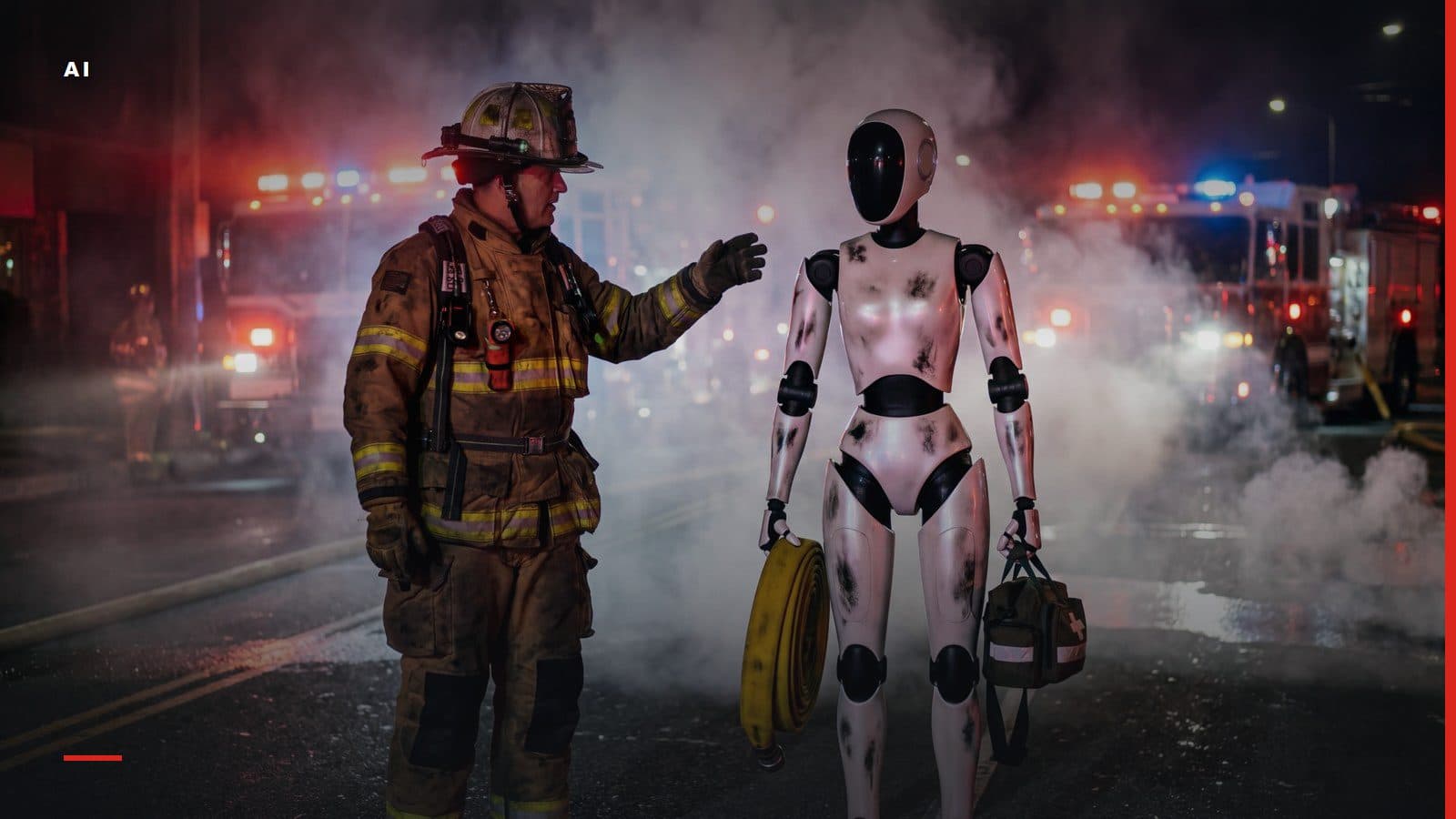
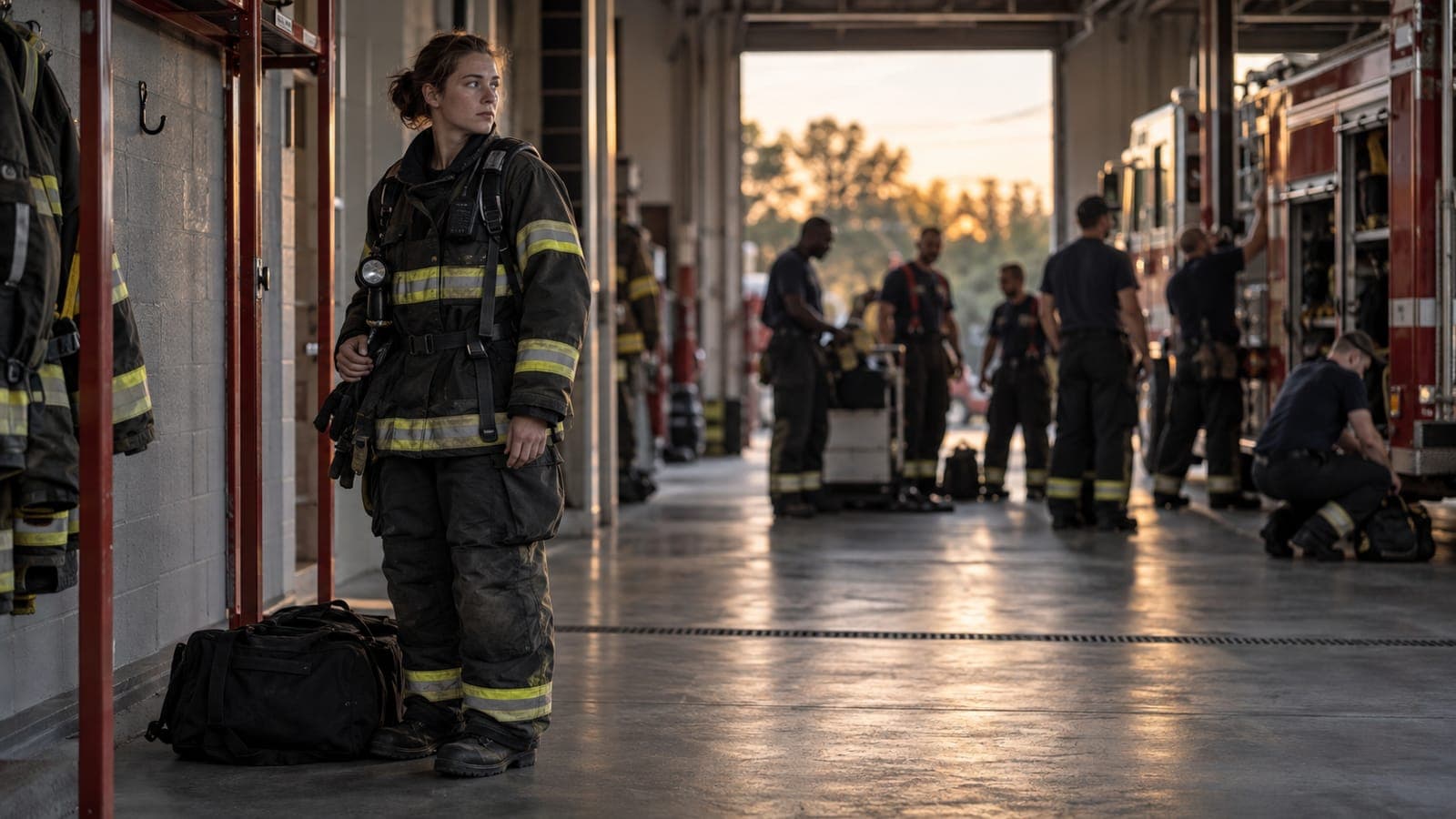
I have watched this happen more times than I can count, in my own department and in departments across the country. A member is skilled, reliable and respected on the fireground or on the truck. Somebody puts a bug in their ear about running for lieutenant or captain. They win the vote, or they get the nod, and a week later they are standing in front of the same people they rode with last shift, expected to lead them.
Nobody trained them how to do that. We promoted the skill and hoped the leadership would show up on its own.
Sometimes it does. More often, it does not, and the department is surprised when a talented firefighter turns into a frustrated, inconsistent officer. That is not a failure of the person we promoted. It is a failure of the process that promoted them.
Skill and Leadership Are Different Jobs
Being good at the job is not the same as being good at leading people who do the job. A great medic knows how to run a cardiac arrest. An officer has to know how to give a difficult assignment, correct a member without humiliating them, hold a line during a conflict between two firefighters, and explain a decision that will not make everyone happy.
Those are different muscles. Some people who are outstanding on the apparatus have never had to develop them, because nothing in their time as a firefighter or medic required it. We do not test for those muscles before we hand someone a title. We assume they arrive with the stripes.
I have held operational, command and board roles in my own volunteer department for close to four decades. The best officers I served under were not always the most technically gifted member on the roster. They were the ones who had, somewhere along the way, learned how to talk to people, how to hold a standard, and how to stay steady when things got hard. Nobody handed them that. They built it, usually the hard way, usually without much help from the department.
Why We Keep Making the Same Mistake
Part of it is simple. Skill is visible. We can see who runs the good interior attack, who is sharp on the rig checks, who shows up early and stays late. Leadership potential is harder to see, and it is much easier to reward what we can measure.
Part of it is structural. Many departments do not have a real officer development program. They have an exam, maybe a class on incident command, and a vote. None of that teaches someone how to deliver a hard message, manage a scheduling dispute, or hold a peer accountable for the first time. We treat leadership like it is inherited the moment the title changes, instead of treating it like a skill that has to be built the same way we build any other skill in this business.
And part of it, honestly, is that departments do not want to admit a promotion was premature. Once someone has the bars, walking that back is painful, so departments tend to prop the person up rather than train them properly from the start.
What Real Officer Development Looks Like
Officer development that actually works starts before the promotion, not after it.
Give people acting opportunities before the vote. Let a firefighter run a crew for a shift, lead a drill, or handle a minor personnel issue under a mentor's eye. That tells you and them a lot more than a written test does.
Pair every new officer with someone who has done the job well and is willing to be honest with them, not just supportive. A mentor who only tells a new lieutenant what they want to hear is not developing them. Real development includes uncomfortable feedback delivered early enough to matter.
Teach the actual skills, not just the rank structure. How to have a difficult conversation. How to document a problem. How to run a meeting that respects people's time. How to apply a standard consistently instead of by mood. These are learnable. Nobody is born knowing how to tell a longtime member that their attitude is affecting the crew, but it can be taught, practiced and coached.
Give new officers a place to fail small before they fail big. A rough first attempt at running a drill is recoverable. A rough first attempt at handling a serious personnel complaint, with no preparation and no mentor in the loop, can cost the department a member or two and cost the new officer their confidence.
Follow up after the promotion. Officer development should not stop the day someone gets the title. Check in. Ask what is hard. Give real feedback instead of assuming silence means things are fine.
The Cost of Skipping This
When we skip officer development, we do not just risk one rocky transition. We create officers who lead by rank instead of by trust, because rank is the only tool anyone gave them. We create members who lose confidence in leadership because the person in charge was never actually prepared for the job. We lose good people, on both sides, because a promotion that should have been a department's investment in its future instead became a stressful experiment nobody set up to succeed.
I have seen departments do this well. They treat officer development as seriously as they treat any other certification, with real instruction, real mentorship and real follow-through. The difference shows up fast. Members trust decisions more. Conflicts get handled before they fester. New officers grow into the role instead of white-knuckling through it.
Promote the Person, Then Build the Leader
None of this is an argument against promoting your best people. It is an argument against assuming the promotion is the finish line rather than the starting point.
The firefighter or medic you are about to promote earned that trust through their skill. Now the department owes them something in return: the training, mentorship and support to become the kind of leader that skill deserves.
We would never hand someone an SCBA and expect them to figure it out on their first fire. We should not hand someone a title and expect the same.
For a practical framework on building the bench before you need it, read the Guide to Succession Planning for Volunteer Fire and EMS Leadership.
Related guides
Go deeper on this topic.
Tools for this topic
Free interactive tools to put this into practice.
 BuilderCommittee Charter Builder
 BuilderPublic Safety Annual Report Builder
 BuilderOfficer Development Plan Builder
 Part of the seriesLeadershipExplore the series
 Recent posts
All posts →