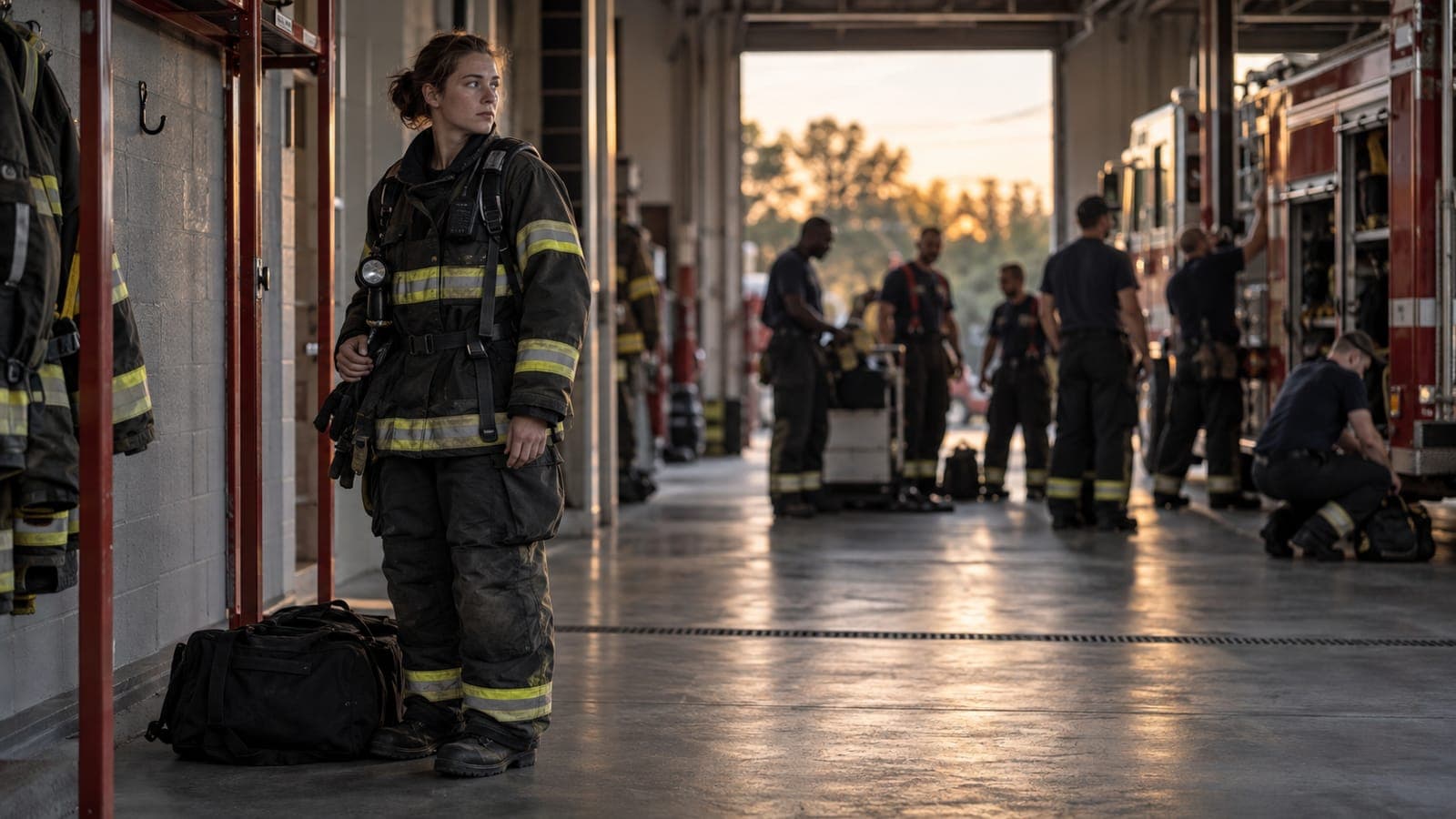
Your People Are Your Best Recruitment Strategy
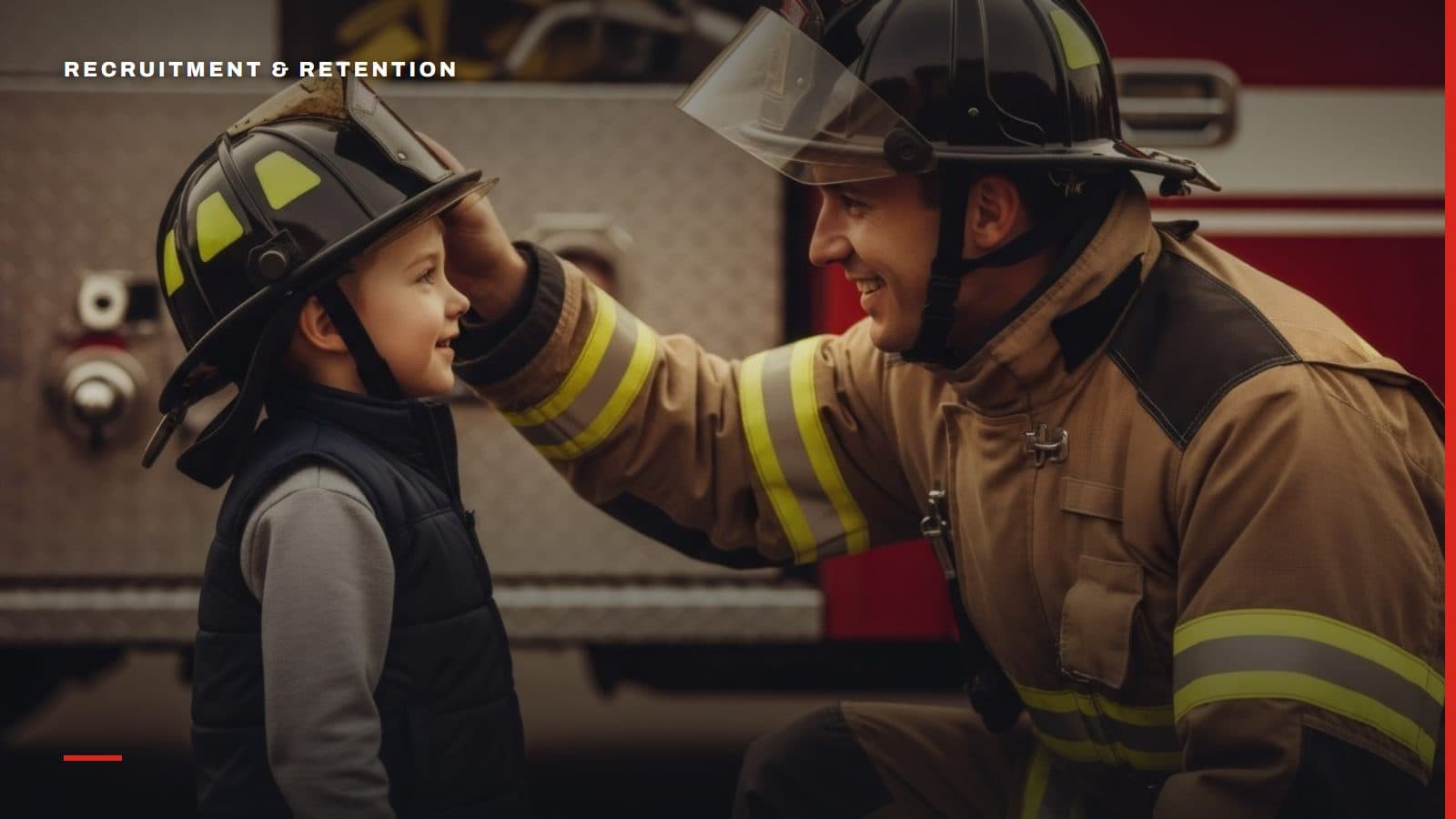
Public safety recruitment campaigns naturally gravitate toward the most visually exciting parts of the job.
Fire departments show working fires, apparatus and technical rescues. EMS agencies show advanced equipment and complex responses. Law enforcement agencies highlight specialty units, vehicles and training.
Those images can earn attention. They can help a prospective member understand the work and imagine doing something meaningful.
But apparatus does not welcome a new member into the station. Equipment does not answer questions after a difficult training night. A dramatic incident does not determine whether someone feels respected, supported and able to build a future inside the organization.
People do.
Candidates Are Choosing Their Future Teammates
When someone considers joining a public safety agency, they are evaluating much more than the position.
They want to know who they will train with, who will teach them, who will be beside them on a difficult call and who will support them when they make a mistake. They are trying to decide whether they can belong.
This is especially important for volunteer fire and EMS departments. The candidate is considering giving the organization hundreds of hours that could otherwise go to family, work, education or personal time. The relationships inside the department will heavily influence whether that commitment feels worthwhile.
Recruitment material should help candidates meet the people before they complete an application.
Show More Than Chiefs and Perfect Spokespeople
Leadership should be visible, but not every recruitment video needs to feature a chief standing in front of apparatus.
Introduce newer members who can still remember what it felt like to walk into the station for the first time. Feature experienced members who have trained generations of recruits. Include people who balance membership with children, demanding careers, school or other responsibilities.
Show the range of roles that keep the organization functioning:
- Firefighters and EMTs
- Apparatus drivers and operators
- Dispatchers and communications personnel
- Administrative and support members
- Public educators
- Instructors and mentors
- Junior, cadet or explorer members where applicable
- Members who contribute through fundraising, logistics or community events
Candidates are more likely to picture themselves in the organization when they can see more than one type of person succeeding there.
Let Members Explain Why They Stay
“Why did you join?” is useful. “Why are you still here?” can be even more revealing.
Ask members what the department has meant during different parts of their lives. Invite them to describe a mentor, friendship, opportunity or experience that kept them connected.
Strong recruitment stories do not need to be dramatic. A member may talk about gaining confidence, finding a second family, learning skills, receiving career guidance or discovering a way to contribute to the community.
The small stories often feel more believable than a highly produced speech about service.
Show the Culture Between Calls
Emergency responses are only one part of department life.
Show training, meals, station projects, community events, recognition ceremonies, mentoring and the ordinary conversations that build trust. These moments help a prospect understand the environment they may be entering.
Do not manufacture culture for the camera. If the department cannot find real examples of members teaching, supporting and enjoying one another, that is not a marketing problem. It is an organizational issue that must be addressed before a campaign can fix recruitment.
Make Recruitment Visits Personal
A candidate's first station visit may matter more than the advertisement that generated the lead.
Assign someone to welcome the prospect, provide a tour and introduce members. Choose a host who enjoys helping new people and can explain the organization honestly.
Do not leave the visitor standing alone while members talk only with one another. Do not overwhelm the person with inside jokes, acronyms or stories that make the organization feel closed to outsiders.
Introduce the prospect to someone with a similar background or interest when possible. A college student may benefit from meeting another student. A parent may want to hear how someone else manages family and department responsibilities. An aspiring EMT may want to speak with a member who used the department as the beginning of a healthcare career.
Equip Members to Recruit Well
Every member can influence recruitment, but they need accurate information.
Provide a concise overview of current openings, eligibility requirements, training, time commitments, benefits and upcoming recruitment events. Give members one clear web address or QR code for interested people.
Members should know what not to promise. An enthusiastic recruiter can create disappointment by offering a timeline, incentive, operational role or exception that the department cannot deliver.
Recruitment succeeds when the experience matches the message.
Use People to Explain the Hard Parts Too
Authenticity requires more than smiling photos.
Let members discuss the training commitment, missed sleep, difficult calls and challenge of balancing service with the rest of life. Then let them explain why the commitment remains worthwhile.
Candidates do not need every harsh detail in the first advertisement, but they should receive an honest picture before joining. Realistic expectations improve trust and retention.
Protect the People You Serve
Departments can show the range and importance of their work without turning patients, victims or tragedy into recruitment props.
Use staged training images, approved incident photography and member explanations. Follow applicable privacy rules and department policy. Think carefully about how a family might feel seeing its worst day used in an advertisement.
The mission can be powerful without exploiting the people behind the call.
Recruitment Reveals the Organization
Prospects pay attention to how members treat one another. They notice whether people introduce themselves, whether newer members are respected and whether leaders listen.
No advertising campaign can permanently hide a poor culture. Marketing may bring more people through the door, but the people inside determine whether those candidates return.
That is why recruitment and retention cannot be separated. The strongest recruitment tool is an organization whose members genuinely want others to experience what they have found there.
Show the apparatus. Explain the calls. Highlight the training and opportunities.
But lead with the people.
They are not simply part of the recruitment story. They are the reason many candidates will choose your department, and the reason they may remain for decades.
For the larger recruitment process, continue with Maximizing Recruitment Marketing for Volunteer Fire and EMS Departments and Kick-Ass Public Safety Recruitment Strategies.
For additional public safety recruitment perspectives and resources, visit ResponderMAX Expert Perspectives.
Tools for this topic
Free interactive tools to put this into practice.
 AssessmentRecruitment Readiness Assessment
 CalculatorRecruitment Funnel Calculator
 Builder90-Day Onboarding Builder
 Part of the seriesRecruitment & RetentionExplore the series
 Recent posts
All posts →