
Public Safety Annual Report Builder
A full fire and EMS annual report for a busy combination department: a leadership message, year-at-a-glance, operations and response, training, community engagement, notable accomplishments and next-year priorities.
This is a fictional sample report. Main Street Fire Department and Main Street Police Department are illustrative examples and do not represent any real agency. Figures, names and details are invented to show what this tool produces.
 SAMPLE
Here is a professional draft. Confirm every number and fact against your records, fill any [placeholders], and add a chief or director message in your own voice.
- EMS4,666 · 72%
- Fire and Suppression1,166 · 18%
- Service and Other648 · 10%
- Career68 · 62%
- Volunteer41 · 38%
EMS calls now represent 72 percent of our volume, reshaping how we staff, train, and equip our stations.
Leadership message
To the Rivermont City Council and the community,
The members of Main Street Fire Department - career and volunteer alike - have delivered another year of outstanding service to our community, and I am deeply grateful to them and to their families for the demanding commitment they make every day. This year marked the 25th anniversary of our volunteer division, a milestone that reflects the enduring dedication of those who answer the call while balancing careers and lives outside our department. That continuity of service, paired with the professionalism of our career staff, defines who we are.
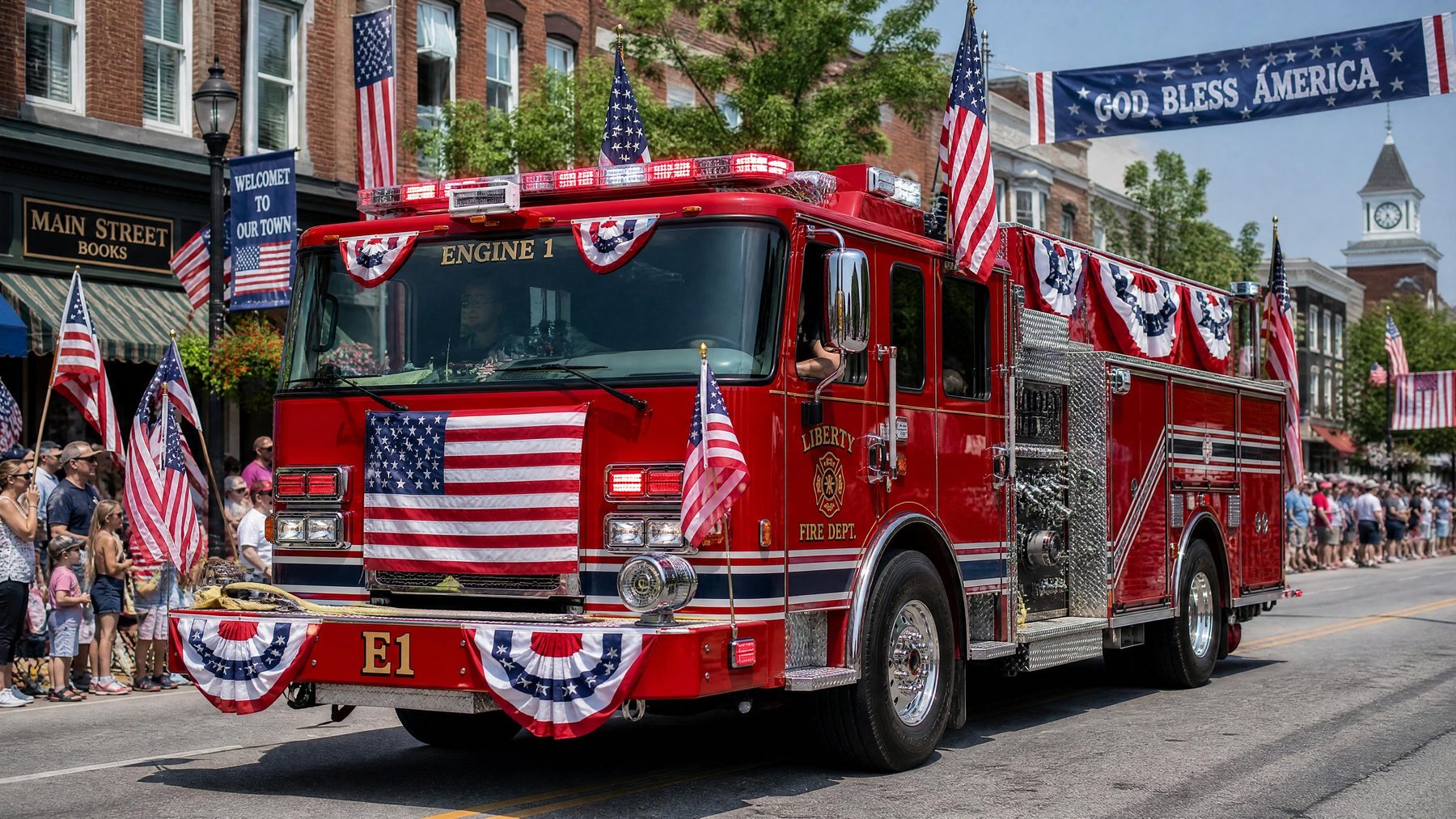
Our defining trend in 2025 is the sustained growth in emergency medical services demand. EMS calls now represent 72 percent of our total volume, and that share has grown for the third consecutive year. This shift is reshaping how we staff, train, and equip our stations, and it will guide our priorities moving forward. We cannot meet this demand without strategic hiring and investment, and we are grateful to the City Council and our community for your support of the self-contained breathing apparatus grant that equipped our firefighters with modern safety gear, and for the resources that enabled us to place Engine 3 in service this year, retiring a 19-year-old front-line apparatus.
We have also deepened our commitment to the mental health and wellness of our members by establishing a peer support team - a recognition that the psychological toll of emergency work demands the same attention we give to physical safety. In the community, our new CPR and Stop the Bleed program reached 1,100 residents, equipping them with skills that can save lives.
The year ahead will test our capacity and require continued partnership with you. We look forward to working together to strengthen…
Year at a glance
Main Street Fire Department responded to 6,480 emergency calls in 2025, a 7 percent increase from the prior year and the third consecutive year of growth. The surge is driven overwhelmingly by emergency medical services, which now account for 72 percent of all calls. This trend reflects broader demographic and community health patterns and is reshaping the department's staffing model, training focus, and operational priorities.
Operations & response
The department fielded 6,480 calls for service in 2025, responding to 4,666 emergency medical calls, 1,166 fire and suppression incidents including 84 working structure fires, and 648 service and other calls. Call volume grew 7 percent over 2024 and continues an upward trend now three years running, driven principally by increased EMS demand.
Response performance remained strong. The department achieved an average turnout time of 79 seconds and a first-unit response time of 6 minutes 12 seconds, with 88 percent of calls met by a first unit on scene within 8 minutes. These metrics reflect the operational capacity of our four stations and our apparatus deployment.
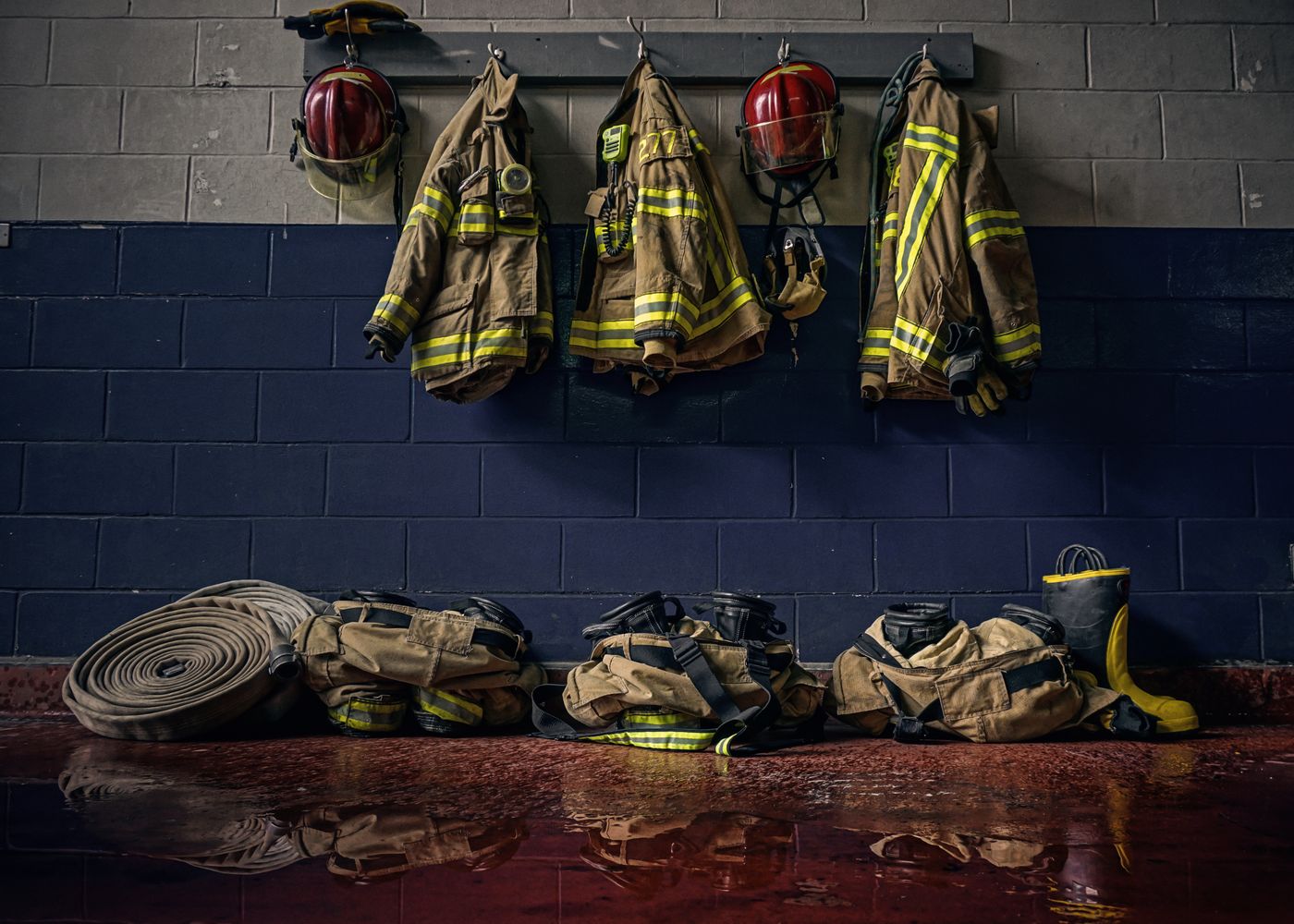
The department staffs 109 personnel - 68 career and 41 volunteer members - across four stations equipped with 4 engines, 1 aerial, 1 heavy rescue, 3 ambulances, and 2 command units. The mix of career and volunteer staffing enables broad geographic coverage, though daytime availability among volunteers has tightened as more members work outside the community, a challenge the department is addressing through planned career hiring.

Training & readiness
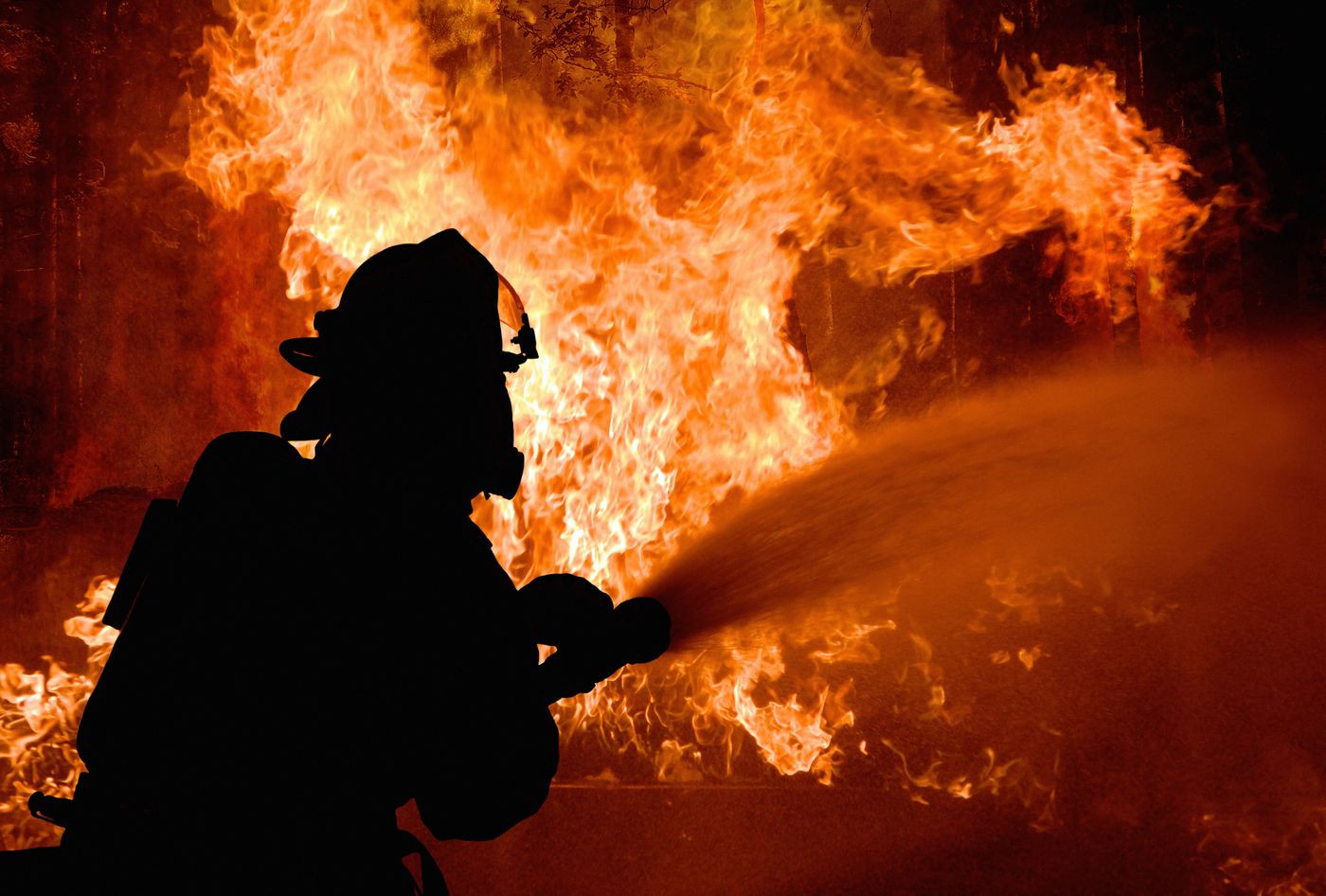
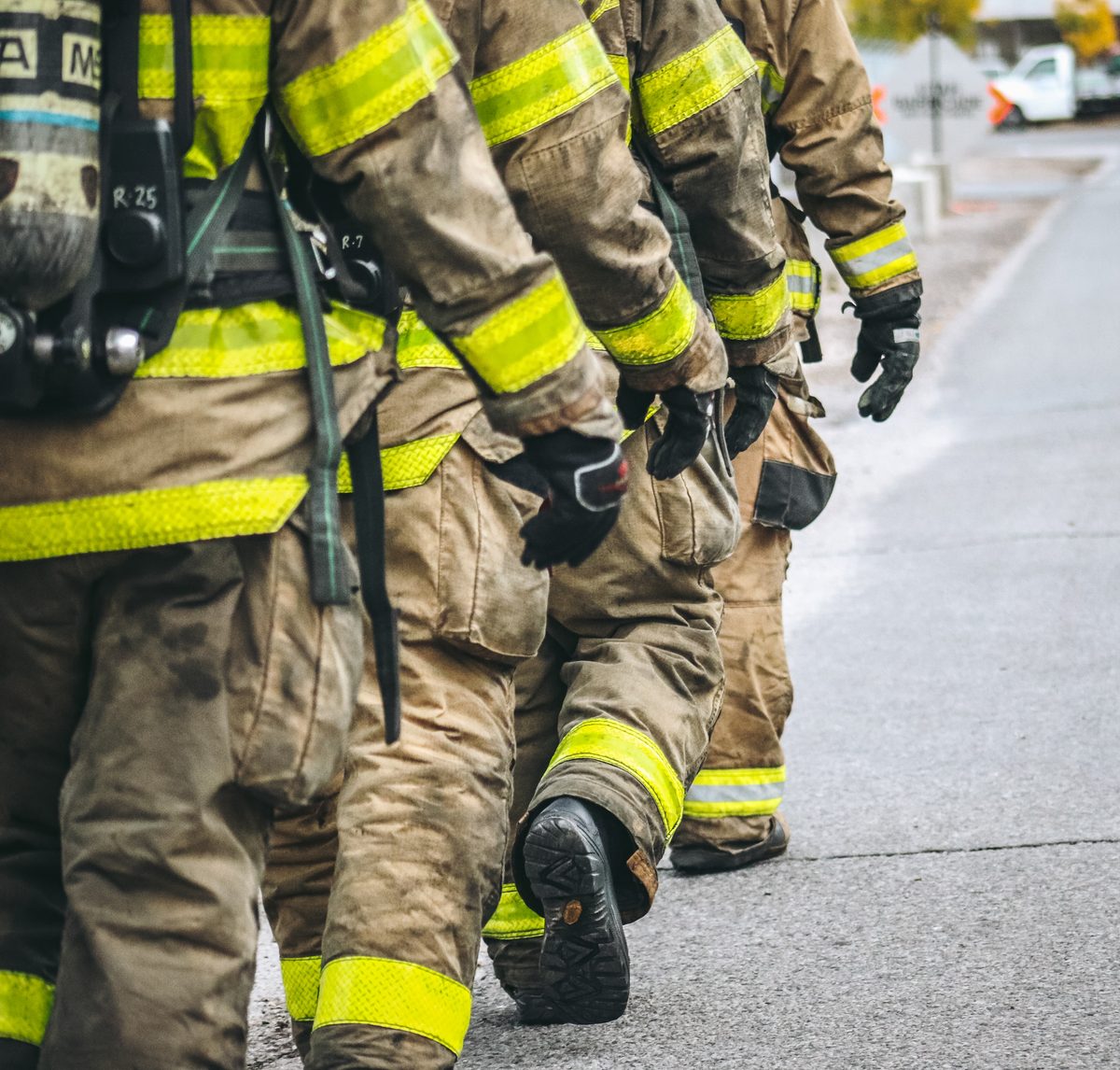
The department delivered 18,400 training hours across the organization in 2025. Twenty-two members earned Firefighter II certification, and six new paramedics completed their training and entered service. These credentials deepen the operational capability and readiness of our personnel and reflect the continuous investment in professional development that emergency response demands. All members completed required training in CPR, hazardous materials awareness, and vehicle extrication, among other core competencies.
Community engagement & prevention
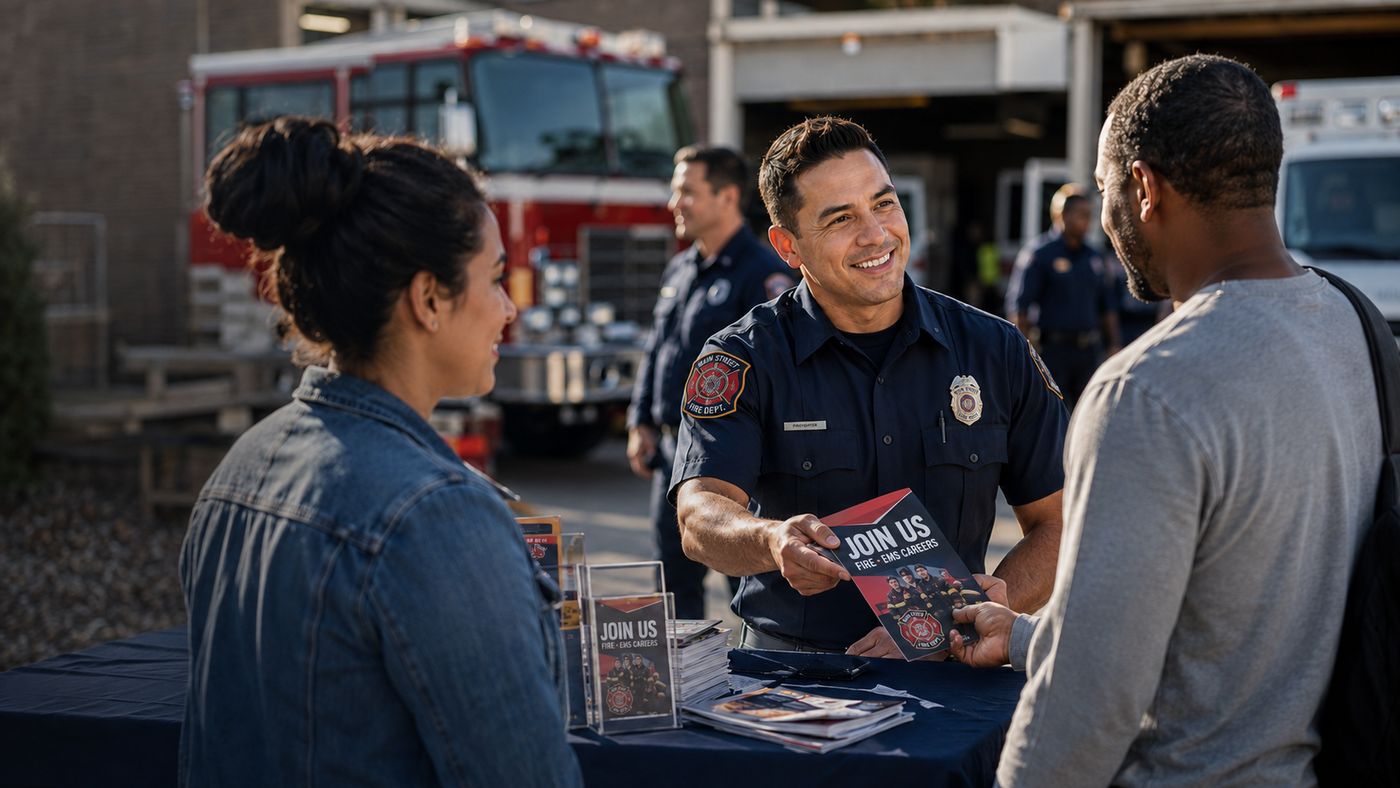
The department expanded its community risk reduction program to all four station districts and conducted 1,240 commercial fire inspections during the year. Through a free smoke alarm installation program, 430 alarms were placed in homes throughout the service area, reducing the risk of fire deaths and injuries. Staff conducted 96 public education events, reaching approximately 7,800 residents and fostering familiarity with fire safety, emergency preparedness, and the role of the department in the community.
A hallmark initiative launched this year was the community CPR and Stop the Bleed program, which trained 1,100 residents in life-saving interventions. By equipping community members with these skills, the department extends its reach beyond emergency response into prevention and early intervention, recognizing that survival outcomes depend on the actions of bystanders in the critical minutes before professional help arrives.
Notable accomplishments
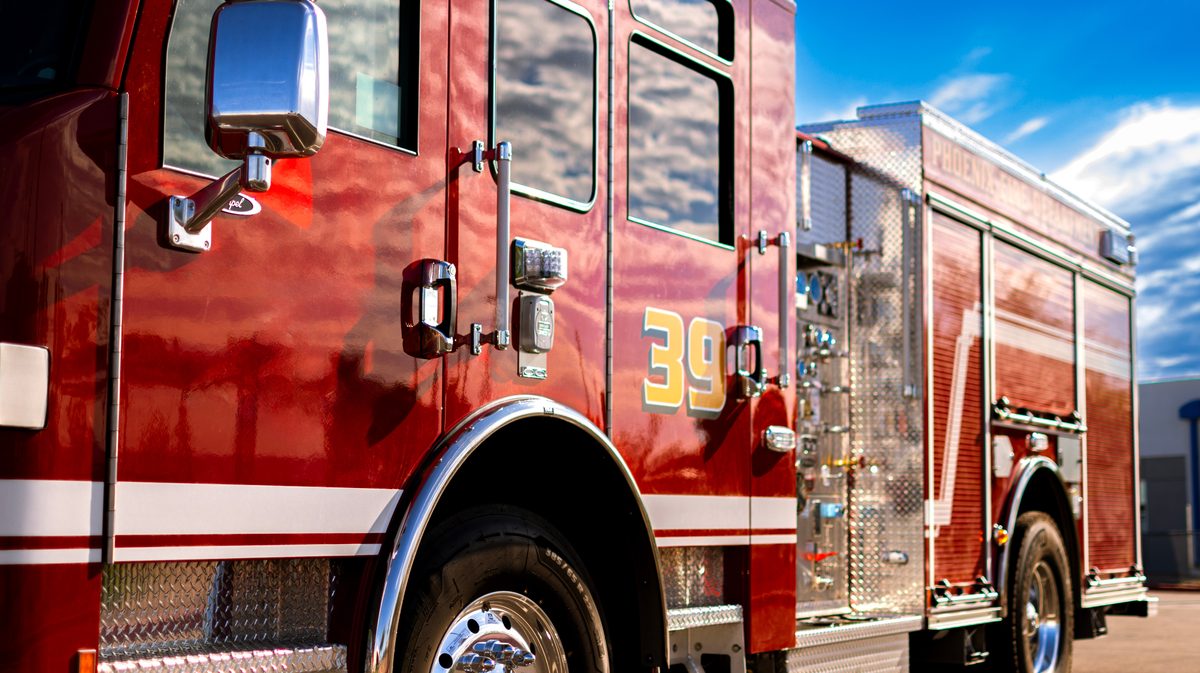
- Placed Engine 3 in service, replacing a 19-year-old front-line engine and modernizing the department's suppression fleet.
- Launched a community CPR and Stop the Bleed program that trained 1,100 residents in life-saving techniques.
- Established a peer support team to strengthen member mental health and wellness.
- Completed full replacement of the self-contained breathing apparatus fleet through a federal grant.
- Marked the 25th anniversary of the department's volunteer division.
- Expanded the community risk reduction program to all four station districts.
Looking ahead
- Hire six additional firefighters to strengthen daytime staffing and meet rising EMS demand.
- Begin planning to renovate or replace the Station 2 apparatus bay to address aging infrastructure and permit modern apparatus deployment.
- Expand community risk reduction and home safety visit programs across all service areas.
- Grow the peer support and behavioral health program with additional resources and training.
- Upgrade the electronic patient care reporting system to improve data capture, clinical insight, and operational efficiency.
The year in photos
How this was made. This report pairs a structured public-safety framework with AI drafting to give you a strong, fast starting point. Treat it as informed guidance, not a final answer, and confirm the specifics against your department’s own facts and judgment before you act.