What Customers Mean When They Ask for a Feature
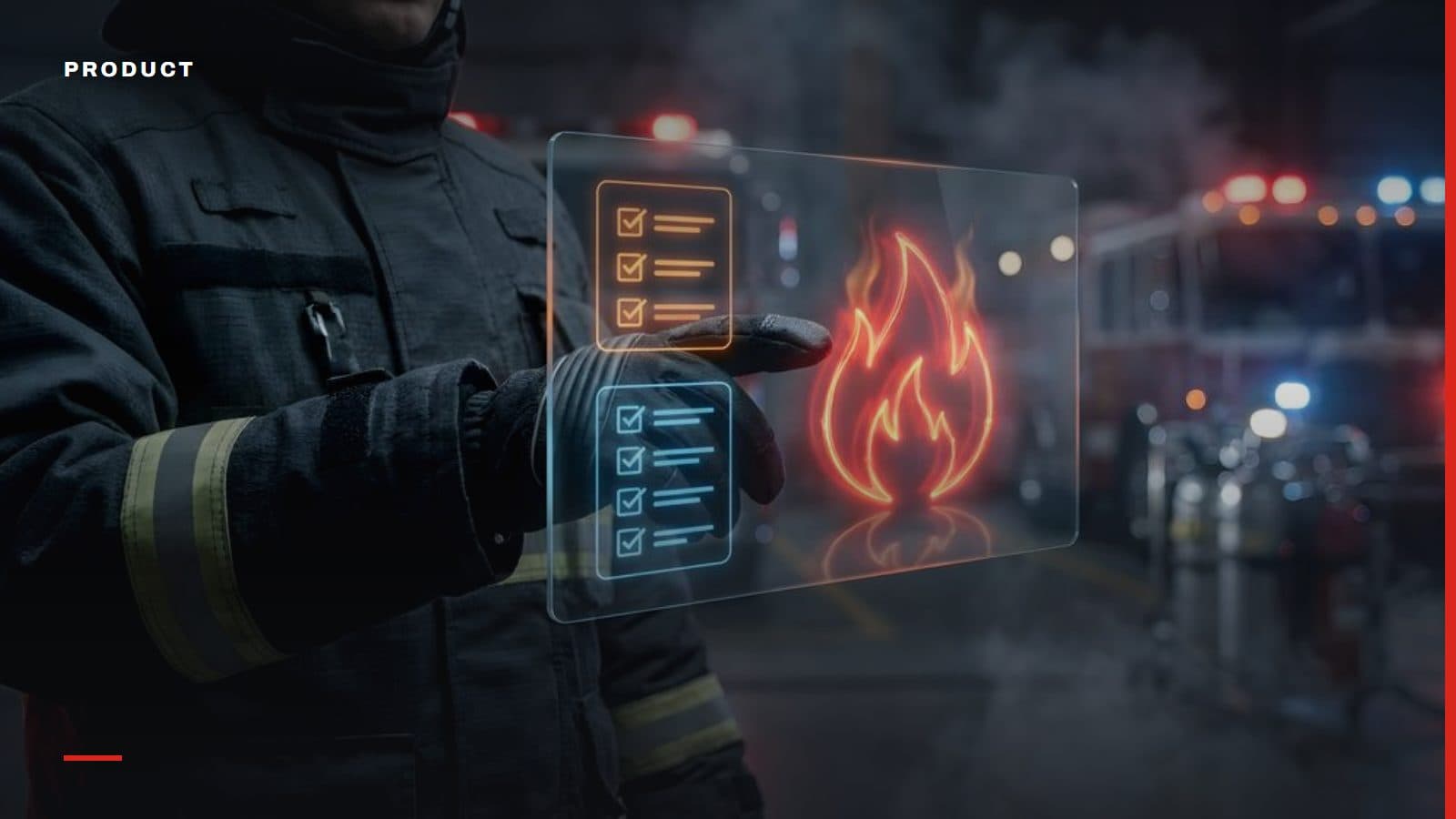
Customers are usually very good at identifying a problem.
They are not always as good at designing the solution, and they should not have to be.
When a customer asks for a feature, what they are really offering is a clue. The feature request is often their best attempt to describe a frustration, workaround or missing outcome.
Our job in product is to understand what sits underneath it.
Listen Past the Requested Solution
A customer may ask for another field on a form. What they may really mean is that they cannot find important information when they need it.
They may ask for an export. The actual problem may be that they do not trust the reporting inside the product.
They may request a new integration. What they may really want is to stop entering the same information into three different systems.
They may ask for a popup notification because email is no longer reaching their members.
If we simply build the exact feature requested, we may solve one customer’s immediate workaround while missing a better solution for everyone.
That does not mean dismissing the request. It means taking it seriously enough to investigate.
The Questions That Matter
When someone asks for a feature, I want to know:
- What are you trying to accomplish?
- How are you handling it today?
- What is frustrating or failing about that process?
- Who is affected?
- How often does it happen?
- What happens if nothing changes?
- What would a successful solution look like?
Those questions usually produce a much more useful conversation than “How should the button work?”
Sometimes the answer confirms that the requested feature is exactly right. Other times, it reveals that a small change to an existing workflow would solve the problem more cleanly. And occasionally, it exposes a much larger opportunity that no one had described clearly before.
One Request Is Feedback. A Pattern Is Direction.
Not every feature request should become part of the roadmap.
A request from one customer matters, especially when the problem is serious. But when different customers describe the same underlying frustration in different ways, that is where product direction begins to emerge.
One department may ask for more granular permissions. Another may say it cannot allow station personnel to manage content because everyone would see too much. A third may ask for separate accounts for each location.
Those sound like three requests. They may all point to the same need: people require the ability to manage information within clearly defined boundaries.
The best product teams collect those signals, connect them and solve the shared problem rather than stacking isolated features on top of one another.
Customers Need to Know What Happened
One of the easiest ways to damage a customer relationship is to repeatedly ask for feedback and never close the loop.
Not every idea can be built. Priorities change. A request may conflict with the larger product direction, introduce too much risk or benefit too few users to justify the cost.
But customers deserve an honest response.
Sometimes that response is, “Yes, we are working on it.”
Sometimes it is, “We understand the problem, but we are approaching it differently.”
Sometimes it is, “Not now.”
And sometimes it is simply, “No.”
Clear communication builds more trust than vague promises about putting everything on the roadmap.
The Real Value of Customer Conversations
The best customer conversations do not produce a list of features. They produce a better understanding of how people actually work.
Customers know where the software slows them down, where they leave it to use a spreadsheet, where permissions break down and where they have created manual workarounds nobody on the product team anticipated.
That is why I still value direct customer conversations, prototypes and user groups. Analytics can tell us what people clicked. A customer can tell us why they were frustrated enough to click it 12 times.
When customers ask for a feature, listen carefully, but do not stop at the feature.
Find the problem underneath it.
That is usually where the better product is hiding.
Tools for this topic
Free interactive tools to put this into practice.
 AssessmentTechnology Continuity Risk Check
 BuilderTechnology Connection Mapper
 AssessmentTechnology Access Resilience Check
 Part of the seriesPublic Safety TechnologyExplore the series
 Recent posts
All posts →